No longer an athlete? No problem.
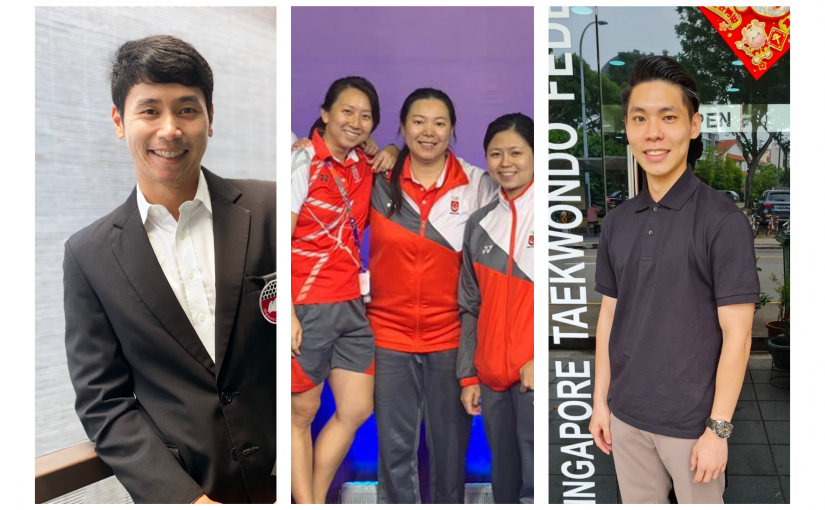
From elite athlete to sports administrator – how do they make the transition? In this first of a two-part series, we speak to three former national athletes who are helping to transform Singapore sports with roles at National Sports Associations.
By Prabhu Silvam
Giving more to the best
Jerome Ng, 31
General Manager, Singapore Golf Association

In elite sports, the best needs more. The best shuttlers need top sparring partners, the best footballers must have more creative training regimes, and the best athletes require to play in the top events so as to get maximum exposure to the gold standard.
When Jerome Ng joined the Singapore Golf Association (SGA) in 2015, he knew that. As a former national golfer, he was aware that contrary to societal norms, the best sportsmen require more attention.
Look at the iconic Project 0812 by the Singapore National Olympic Council. It topped up the resources of the best athletes in Singapore, giving them extra benefits so as to reach the next level. The scheme led to a silver and bronze medals in the 2008 and 2012 Olympics.
Ng would do the same in SGA, creating a High-Performance Programme in 2018 to nurture the next generation of Singaporean golfers through focused training and mentorship.
Three years on, the programme has almost 45 athletes. “It is all about working together as a team and harnessing different skills to help develop a player and move forward.”
Today, the SGA general manager runs the outfit like a sportsman. To succeed, both require clear goals, keen foresight and most of all, solid teamwork. “Essentially, you are trying to sell ideas, and concepts to convince people to come together to fulfil your organisation’s purpose and objectives.”
Bridging the generational gap
Jiang Yanmei, 40
Technical Manager, Singapore Badminton Association
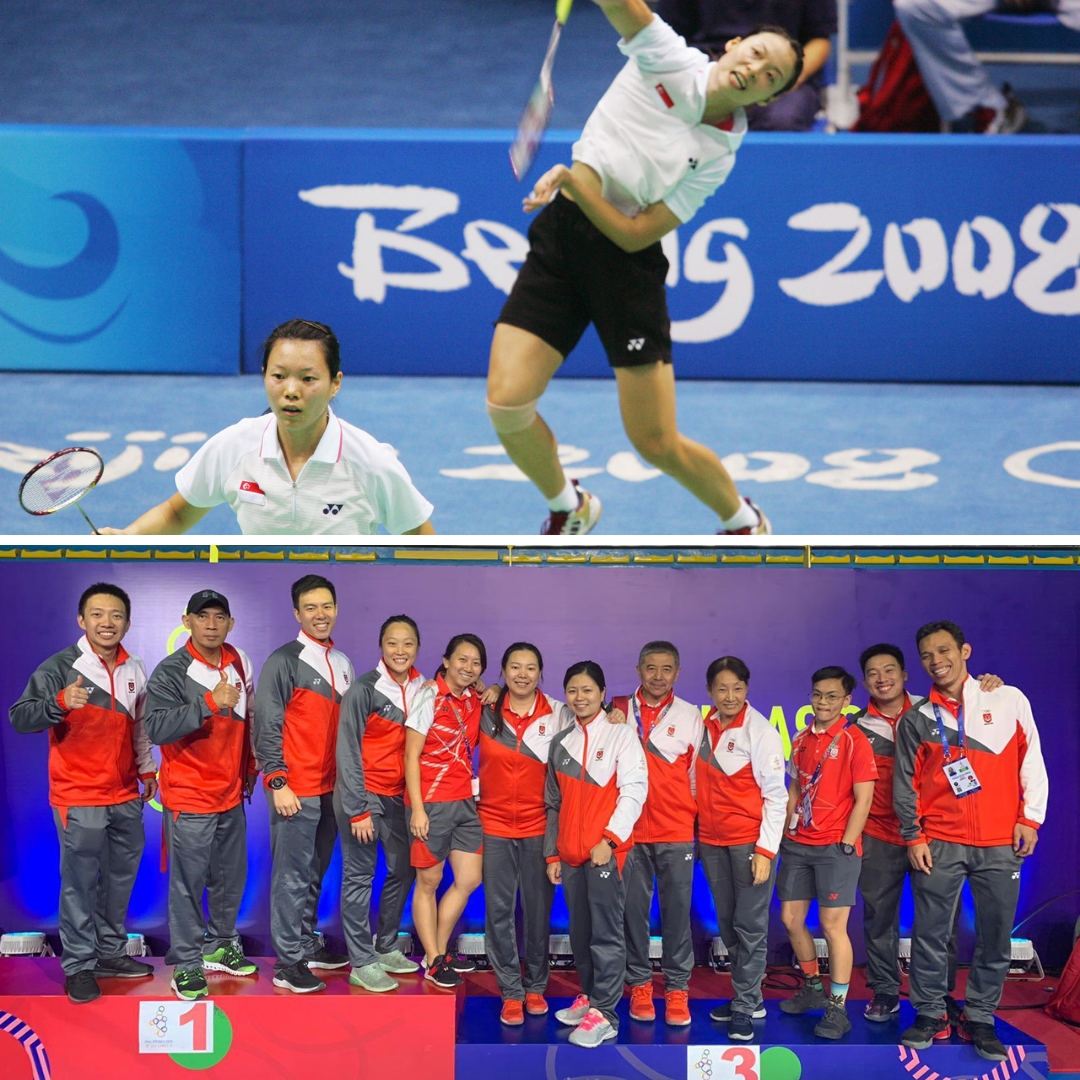
On the court, Jiang Yanmei always knew when to attack. When her partner stepped back, she would stride forward to unleash a killer smash.
As a former badminton doubles player, Jiang knows that effective communication brings success. It is now her mantra as technical manager at the Singapore Badminton Association (SBA).
She currently manages and coordinates SBA’s coaching team, as well as the support teams at Singapore Sport Institute and the National Youth Sports Institute.
But above all, she is the link between the players and coaches. She may be from the old guard – the two-time Olympian retired after the Beijing Olympics – but she is constantly seeking new ways to connect with the younger generation of shuttlers.
“I remind myself that we should not limit ourselves to our own experiences, but be open to new trends and ideas because we are dealing with many athletes in different age groups,” said the 40-year-old, who joined SBA in 2008 as a coach and became technical manager in 2015.
Today’s athletes ask more questions regarding tactics and training compared to her time, Jiang noted. They are more analytical and seek explanations for game plans, whereas in the past, players relied more on instincts and their coaches’ instructions. This change reinforces her emphasis on clear communication.
“This shows us that we need to keep upgrading our coaching knowledge too,” said Jiang, who also regularly attends workshops and courses with her coaches to stay relevant.
She expects the same level of commitment from her players. “We tell athletes not to have a fixed mindset, but think about their growth so they can face challenges in their career and life.”
From black belt to leather belt
Kang Rui Jie, 26
Operations Manager, Singapore Taekwondo Federation

For seven years from 2009, Kang Rui Jie kicked, punched and blocked at the highest level in Singapore as part of the national taekwondo team. He endured bruises, suffered knocks and put up with aches, wearing the blue and black on his skin almost as a badge of honour.
And that was just what he had to grapple with, at times literally, when he put on his dobok in training and during competitions. There was still school work to handle and other demands of life. “Being a national athlete is not easy,” he shared. Quite the understatement.
Now, he is in the position to make it that little bit easier. Since February, the 26-year-old has swapped his black belt for a corporate leather belt. He joined the Singapore Taekwondo Federation as an operations manager, and believes he is well-placed to help the national exponents under his charge.
“As an athlete on the training ground, you feel a variety of emotions — you feel happy when you win, you feel angry and frustrated when you lose. As a former player, I can understand how they feel,” he said.
He knows what they need, both physically and mentally, offering recommendations on how they can improve strength, diet or conditioning training among others. On the strategic front, he plans tournaments, improve the coaching staff and hopes to engage sports nutritionists and sports psychologists.
“My job is to create an environment as conducive as possible for them to dream big,” he said. He certainly has the chops for it.