How shuttlecocks and sepak takraw balls are helping these youths find a purpose
By Marcus Wong
On a rainy Saturday afternoon, laughter echoed around the void deck of a block of rental flats in the Henderson neighbourhood. It may have been pouring, but that didn’t dampen the spirits of the small group of youths playing badminton with national golfer Jen Goh and a couple of volunteers who brought sport to their doorsteps.
Shuttlecocks sailed over portable nets as the sweat-drenched players scampered around, enthusiastically smashing and flicking their racquets. An icebox filled with 100plus bottles and Milo packets sat at the corner, along with a small pile of new bright neon sports shoes – donations for the young beneficiaries courtesy of former national sprinter Dipna Lim-Prasad’s In My Shoes initiative.
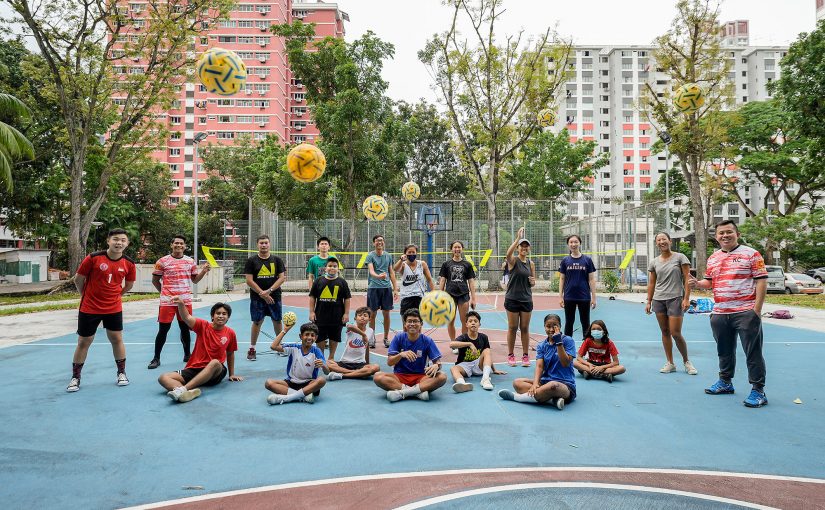
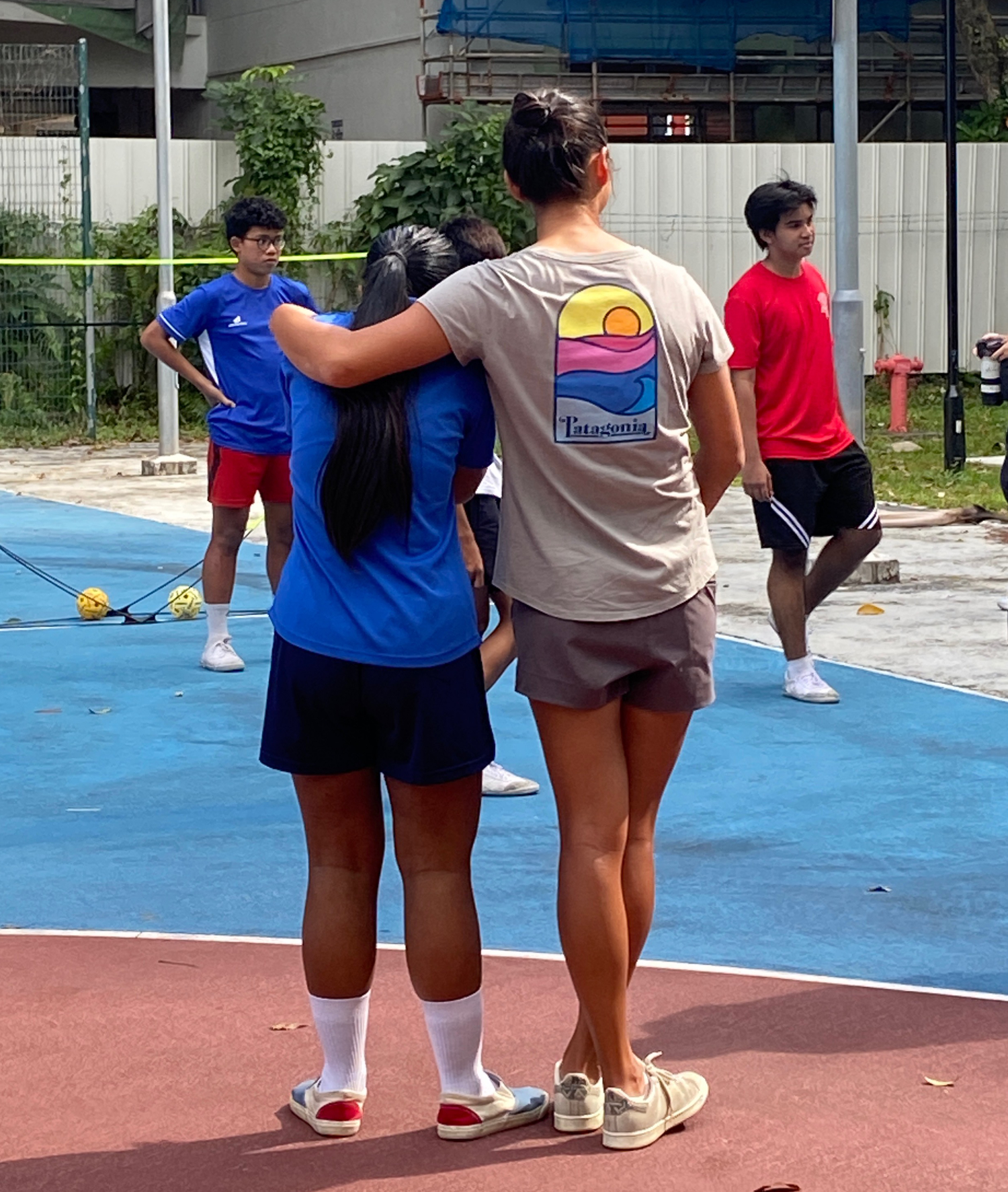
Badminton wasn’t the only sport they got to play. The following week saw them gathered at a nearby basketball court to learn some sepak takraw skills from national players. Basketball and football have been on the list too.
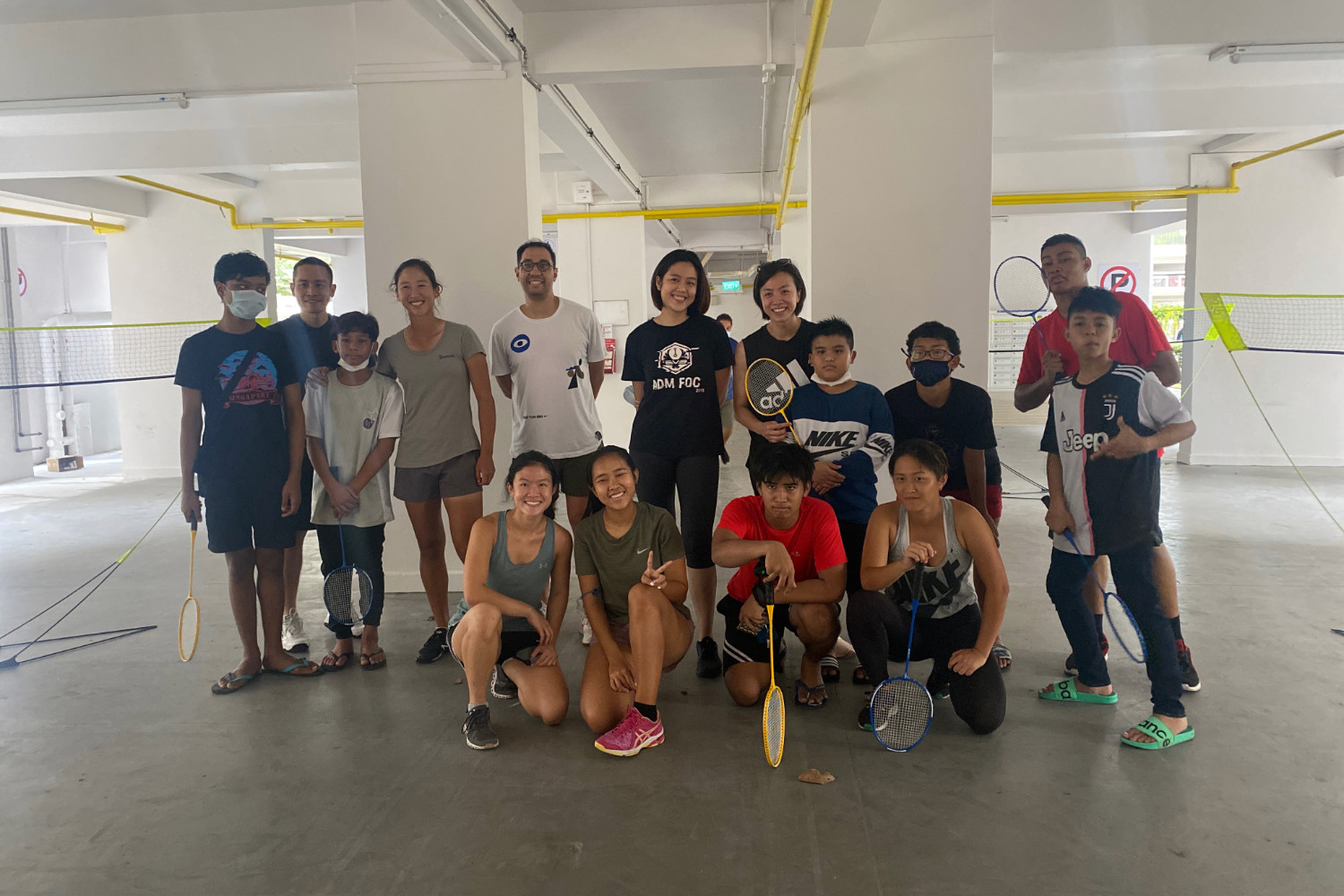
These are all part of the LifeLab programme – a multi-sport, community-driven initiative started by Goh in January. With the help of national athletes, it uses sports as a social leveller for at-risk youths from low-income families, and is funded by the Commonwealth Sport Foundation’s Game Changers Grant. This has helped paid for the sports equipment.
Hopefully, sport will be an avenue for them to explore their untapped potential and discover something worthy to pursue. “It’s also a way for them to destress and build confidence. There are so many things they can learn that will help them,” she said.
Breaking the ice with sports
The idea of LifeLab came about when Goh, who has served rental flat communities for the past three years, realised that not many social programmes use sports as a way to engage these at-risk youth.
“As an athlete, sports shaped a lot of who I am, and this is really a medium for us to build rapport with them,” said the 25-year-old who is also the co-founder of Hopefull – a ground-up initiative that provides needy families with home-based activities.
She partnered Beyond Social Services, where she had been volunteering, to launch LifeLab at one of the organisation’s communities in Singapore. They decided on the Henderson neighbourhood as it has a high population of almost 200 youths.
Each sports session lasts for about two hours, with 30 minutes set aside for mentoring where volunteers lend a listening ear and give advice to their young charges. Ultimately, the key goal is to create a safe space for the children to simply hang out, shared Goh.
“We want them to look at us as friends because they often don’t get looked at as equals outside of this community,” she said. “When they start trusting you, they start telling you about their struggles and you can then help shape their decision making.”
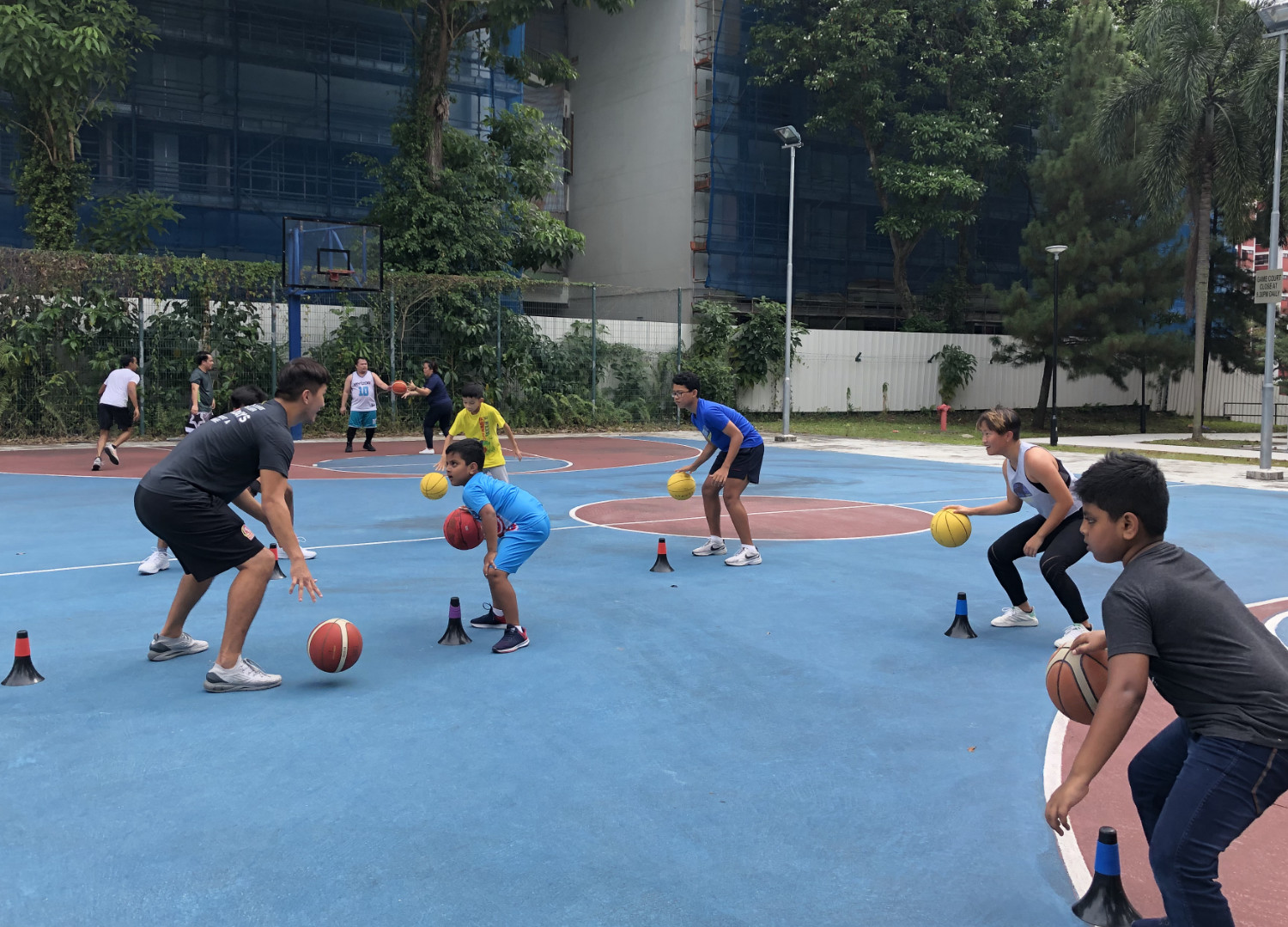
Among the national athletes who have volunteered is basketballer Ng Han Bin, who has organised simple basketball drills. For him, it has been rewarding simply being able to be there for his mentees.
“A lot of them are figuring the world out for themselves because sometimes their parents cannot be there for them due to certain circumstances,” said the 32-year-old. “When they actually look up to you as a brother, that becomes something very meaningful.”

One of these athlete-turned-aspirational figures is national takraw exponent Khairul Fahmi, who became a star hit with the young teenagers when they asked for photos with them.
“I really find it meaningful and I’m glad there’s something to distract them,” said the 22-year-old, who added that sport will teach them discipline.
“You need to know where they are coming from – it’s not that they are giving people a hard time, but they are having a hard time themselves.”
Going door to door
But it is not all fun and games. Besides Covid-19 regulations stifling the growth of the programme, Goh also shared that the greatest challenge is actually getting support from the community itself.
Before every session, volunteers fastidiously contact the youths over Whatsapp, or even go knocking on doors, trying to get them to participate. Even then, only a handful turn up.
“We are trying to create an impact and an impact isn’t overnight, so I think one of the challenges is being able to enter their world, and it takes time,” added Ng.
Communication is also key for success. This is why volunteers also share the programme with families around the blocks, hoping that they will encourage their children to participate as well.
Despite the difficulties, the golfer hopes that the community will eventually take full responsibility for the programme. One of LifeLab’s long-term goals is also to have the older youths in the programme step up to help lead and organise the activities.
For now, more sports are on the way. Jen has already organised school holiday programmes to introduce floorball, golf, and even sailing. It is still early days yet, but the programme has already made an impact.
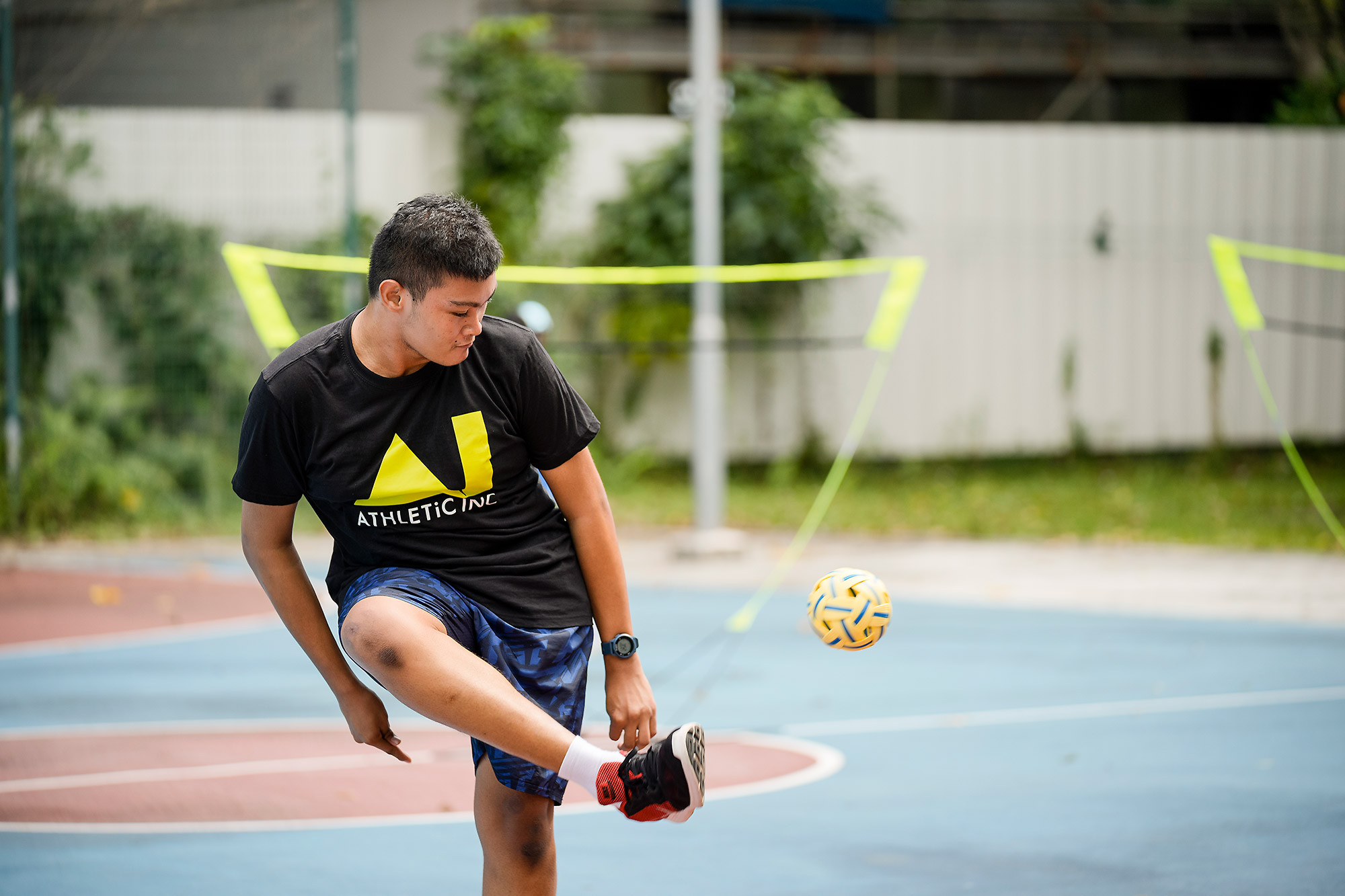
For 18-year-old Qadar, playing sports has even allowed him to alleviate his worries. “Even when I have family problems, I feel happier when I come here to play. My worries become lesser,” he said.
Such positive responses are what fuels Goh and her LifeLab team in their continuous effort to make a difference to these tenacious youths.
“They bring so much positivity and have so much potential,” she said. “Yet, they don’t even realise how their resilience and grit can be an edge. Maybe sports will be a way for them to realise that.”